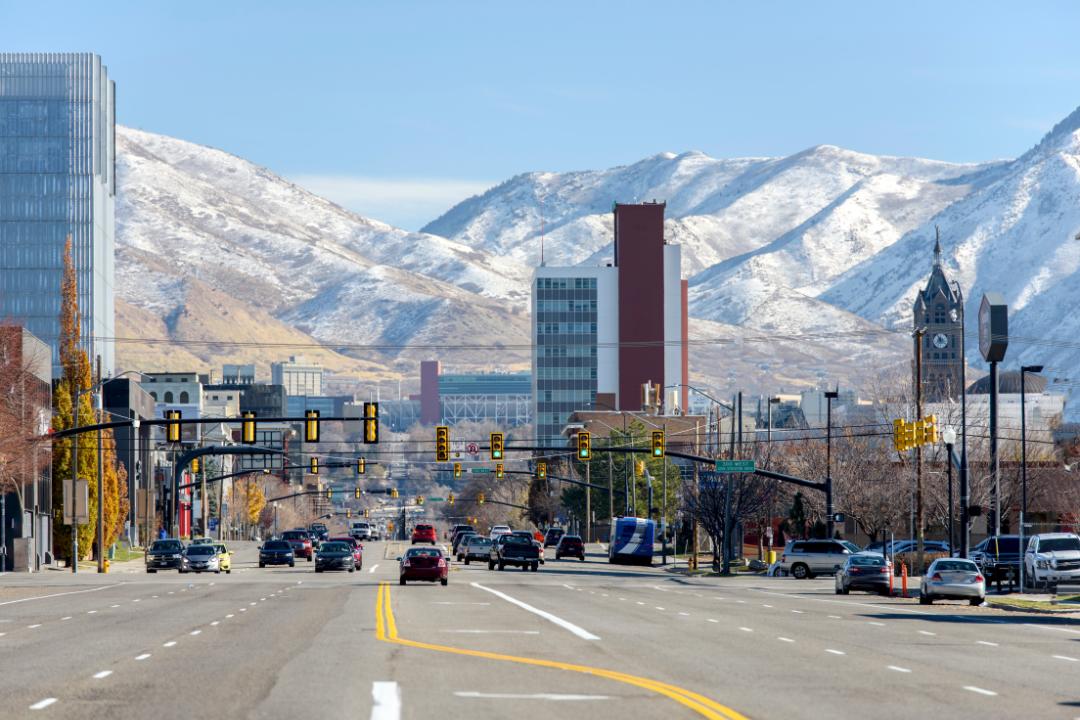
Salt Lake City has become one of the most talked about cities in the Mountain West. From its mountain views to its expanding economy, many people are asking what is Salt Lake City known for and why so many individuals and families are choosing to relocate here. The city blends historic roots with modern development, offering a unique mix of outdoor lifestyle, cultural identity, and steady growth. As more renters, buyers, and investors turn their attention to Utah’s capital, understanding what sets it apart has never been more important.
At HomeRiver Group, we operate across multiple markets nationwide and bring a unified national platform with dedicated local expertise to every community we serve. Our team understands the Salt Lake City market from both an operational and investment perspective. By combining centralized systems with on the ground insight, we help property owners, residents, and investors navigate growth opportunities with clarity and structure.
In this piece, we will be discussing what Salt Lake City is known for, how its culture and economy continue to evolve, and what these trends mean for renters, buyers, and real estate investors.

The Historical And Cultural Identity Of Salt Lake City
For many people asking what is Salt Lake City known for, the answer begins with its history. Founded in 1847 by Mormon pioneers seeking religious freedom, the city’s early development was shaped by faith, agriculture, and careful community planning. Temple Square remains one of the most recognized landmarks in Utah and continues to draw visitors from around the world. The influence of The Church of Jesus Christ of Latter day Saints is still visible in the city’s architecture, traditions, and community values.
Over time, Salt Lake City has expanded beyond its pioneer origins. It has developed a diverse cultural scene that includes museums, performing arts venues, music festivals, and a growing culinary landscape. Events such as the Sundance Film Festival, hosted nearby in Park City, have strengthened the region’s reputation as a cultural destination. This balance between tradition and modern expression plays a major role in shaping what Salt Lake City is known for today.
The city’s identity is also rooted in strong community engagement and civic pride. Local neighborhoods maintain distinct character while remaining connected to the broader metropolitan area. This blend of heritage and forward movement continues to influence how residents experience daily life and how newcomers evaluate opportunities in the region. If you would like me to continue, I will proceed to the next section on Outdoor Recreation and Quality of Life.
Outdoor Recreation And Quality Of Life
Outdoor recreation plays a central role in shaping what is Salt Lake City known for across the country. The city’s geographic location offers immediate access to mountains, trails, and open space that support an active lifestyle year round. This connection to nature influences daily life, community culture, and long term housing demand:
Access To World Class Ski Resorts
Salt Lake City is located within close driving distance of several nationally recognized ski resorts, including Alta, Snowbird, Brighton, and Solitude. Residents can reach the slopes in less than an hour, making winter sports part of everyday life rather than a seasonal vacation. This accessibility contributes significantly to what Salt Lake City is known for, particularly among outdoor enthusiasts and relocating professionals.
Extensive Trail Systems And National Parks
Beyond winter recreation, the region offers miles of hiking and biking trails throughout the Wasatch Mountains and surrounding foothills. Popular destinations such as Big Cottonwood Canyon and Millcreek Canyon provide scenic escapes just minutes from downtown. In addition, Utah’s national parks are within a few hours’ drive, reinforcing the city’s reputation as a gateway to outdoor adventure.
Balanced Urban And Outdoor Living
Salt Lake City provides a rare combination of urban convenience and immediate access to open space. Residents can work in a growing downtown business district and still spend evenings hiking, cycling, or skiing. This balance continues to define what is Salt Lake City known for and remains a strong factor for renters, buyers, and investors evaluating long term opportunities in the market.
Economic Strength And Industry Growth
Economic expansion has become a defining factor in what is Salt Lake City known for in recent years. The region has steadily attracted new businesses, skilled workers, and national investment across multiple industries. This sustained growth has strengthened the city’s reputation as a stable and opportunity driven market:
Technology And Innovation Sector
Salt Lake City is part of the Silicon Slopes region, a fast growing technology corridor that has drawn startups and established firms alike. Companies in software development, financial technology, and health innovation continue to expand their presence in the area. This concentration of tech talent has elevated what Salt Lake City is known for beyond tourism and outdoor recreation.
Finance, Healthcare, And Professional Services
In addition to technology, the city has a strong foundation in finance, healthcare, and professional services. Major employers in banking, insurance, and medical systems provide consistent job opportunities and support long term economic stability. A diversified employment base helps reduce volatility and contributes to steady housing demand.
Business Friendly Environment And Infrastructure
Utah consistently ranks among the top states for business growth due to competitive tax structures and supportive regulatory policies. Salt Lake City International Airport and expanding transportation infrastructure further enhance the region’s accessibility. These advantages continue to shape what is Salt Lake City known for among corporate leaders and real estate investors evaluating long term potential.
Population Growth And Housing Demand
Population trends are another major reason what is Salt Lake City known for has become a common question among investors and relocating families. The city has experienced consistent in migration driven by job opportunities, lifestyle appeal, and relative affordability compared to other western markets. As more people move to the region, housing demand continues to rise:
In Migration From Higher Cost States
Salt Lake City has attracted residents from states such as California, Washington, and Colorado who are seeking career opportunities and a lower overall cost of living. Remote work has also expanded the pool of potential residents who can choose lifestyle oriented cities without sacrificing income. This steady flow of new residents has increased demand across both rental and owner occupied housing.
Expanding Rental Market
As new professionals and families relocate, many enter the market as renters before purchasing property. This trend has strengthened occupancy rates and contributed to a competitive rental environment. For property owners, sustained rental demand plays a significant role in shaping what Salt Lake City is known for within investment circles.
Limited Housing Inventory And New Development
While construction activity has increased, housing inventory has remained relatively tight compared to demand levels. New residential developments aim to meet population growth, but land constraints and rising construction costs influence supply. These dynamics continue to impact pricing, rental rates, and long term investment performance throughout the metropolitan area.
Real Estate Trends Shaping The Market
Real estate performance is a key part of what is Salt Lake City known for among investors and property owners evaluating western markets. Steady appreciation, competitive rental demand, and diversified employment drivers have supported long term growth. Understanding current trends helps clarify how the market is evolving:
Home Price Appreciation And Market Stability
Salt Lake City has experienced notable home price growth over the past decade, supported by limited inventory and consistent demand. While price increases have moderated at times, overall values remain strong compared to many national averages. This stability continues to influence what Salt Lake City is known for within real estate investment discussions.
Rental Rate Growth And Occupancy Levels
Rental rates have trended upward alongside population expansion and job creation. High occupancy levels across many submarkets reflect sustained interest from new residents entering the area. For owners of single family homes and small multifamily properties, reliable rental demand remains a central market characteristic.
Neighborhood Level Variations
Market performance varies by neighborhood, with some areas experiencing faster appreciation and stronger rental activity than others. Proximity to downtown, access to transit, and school districts often influence pricing and tenant demand. Those researching the best neighborhoods in Salt Lake City can review this resource for a closer look at how different communities compare across the metro area.
Investment Opportunities And Property Management Considerations
For owners and investors, understanding what is Salt Lake City known for goes beyond culture and lifestyle. Market fundamentals such as job growth, rental demand, and long term appreciation create measurable investment potential. Strategic management plays a central role in capturing and protecting that value:
Long Term Portfolio Growth
Salt Lake City offers opportunities for both first time investors and experienced portfolio builders. Single family rentals remain popular due to consistent tenant demand and neighborhood stability. As the region continues to expand, many investors view the market as a place to hold assets for long term appreciation and income generation.
Operational Efficiency And Tenant Experience
Effective leasing, maintenance coordination, and financial reporting are essential in a competitive rental environment. Consistent communication and structured processes support tenant retention and property performance. Professional oversight helps owners respond to regulatory requirements and shifting market conditions while maintaining asset quality.
Partnering With A Local Property Management Team
Working with a team that understands both the national investment landscape and the Salt Lake City market can provide meaningful operational advantages. Through Salt Lake City Property Management, HomeRiver Group combines centralized systems with local expertise to support leasing, maintenance, reporting, and long term asset strategy. This integrated approach allows owners to focus on broader investment goals while maintaining strong day to day property performance.
Final Thoughts
Salt Lake City has built a reputation that extends well beyond its mountain backdrop. For those asking what is Salt Lake City known for, the answer includes a deep historical foundation, strong cultural identity, expanding economic sectors, and a lifestyle centered on outdoor access. At the same time, consistent population growth and housing demand have strengthened its position as a competitive real estate market in the western United States.
As the city continues to evolve, its balance of opportunity and livability remains a defining characteristic. Renters, buyers, and investors evaluating the region will find a market supported by job growth, neighborhood diversity, and long term development. Understanding these factors provides clarity for anyone considering a move, a purchase, or an investment in Salt Lake City.
Frequently Asked Questions About What Is Salt Lake City Know For
Why do so many businesses choose to relocate to Salt Lake City?
Companies are drawn to Salt Lake City for its skilled workforce, competitive operating costs, and supportive business climate. The presence of universities and a growing technology sector provides access to talent. Transportation infrastructure and regional connectivity also make it an efficient base for operations in the Mountain West.
Is Salt Lake City a good place for young professionals?
Salt Lake City appeals to young professionals due to career opportunities in technology, healthcare, and finance. The city also offers a strong social scene with local restaurants, community events, and access to year round outdoor recreation. Its relatively lower cost of living compared to coastal cities adds to its appeal.
How does Salt Lake City compare to other western real estate markets?
Compared to major coastal metros, Salt Lake City often offers more attainable entry prices while still providing growth potential. The market benefits from steady in migration and job expansion. This combination has helped it maintain competitiveness within the western United States.
What types of properties are most common in Salt Lake City?
The housing mix includes single family homes, townhomes, condominiums, and small multifamily properties. Single family rentals are especially popular among long term residents and relocating families. New developments have also expanded options in suburban and mixed use communities.
How does seasonality affect the housing market in Salt Lake City?
Like many markets, activity tends to increase during spring and summer months when relocation is more common. Winter can bring slower transaction volume, though demand remains consistent due to employment stability. Rental activity often stays active year round.
Is Salt Lake City attractive to out of state investors?
Yes, many out of state investors consider the market due to population growth and economic diversity. The city’s reputation for stability and lifestyle appeal supports long term tenant demand. Investors often look to established neighborhoods and growing suburbs for opportunities.
What future developments could shape what is salt lake city known for?
Infrastructure projects, commercial expansion, and residential development will likely influence the city’s trajectory. Continued growth in technology and professional services may strengthen its national profile. These changes can further impact housing demand and investment activity